Share with:


Fats, Oils, and Greases (FOG) presents a year-round challenge to waste management, significantly impacting both our sewer systems and the environment. However, the colder weather brings with it additional threats that exacerbate the problem, making winter particularly critical for food service businesses.
While these issues are persistent throughout the year, the unique combination of increased culinary activities during the winter impacts FOG behaviour, producing heightened risks. As we delve deeper, we will explore why winter is a particularly crucial time for combatting FOG and the necessary strategies to mitigate seasonal challenges.
Surges in Grease Production
Increased food preparation during popular holidays and festivals throughout the year, especially of richer, heavier meals, leads to a significant rise in FOG production. The increased demand for deep-frying, roasting, and sautéing, all common cooking techniques but on a larger scale, generate considerable grease. This surge puts a strain on grease traps, potentially overwhelming them and leading to blockages. The situation is further complicated by the fact that many establishments may not have grease traps equipped to handle such surges in FOG production. Data from wastewater treatment facilities often reflects this increase in FOG-related problems around the festive period and during colder months.
The Impact of Temperature
Colder temperatures contribute to the fatberg problem, often bringing it closer to home. FOG solidifies more rapidly in colder conditions, both in outdoor grease traps and within sewer pipes. During warmer seasons, FOG can travel further in a semi-fluid state before solidifying, often dispersing more widely throughout the sewer system. Accelerated solidification in cold weather can lead to increased risk, therefore more frequent maintenance is required, with FOG solidifying closer to the source. This can cause severe, localised blockages, increasing the risk of overflows and backups and reduced effectiveness of grease traps.

Combating FOG: Strategies and Precautions
A rigorous approach to grease management is essential especially during busy periods where kitchens are working extra hard and preparing more meals than normal, and when temperatures plummet.
- Regular Checking and Cleaning: Increase the frequency of grease trap checks and cleaning.
- Staff Education: Train staff on proper FOG disposal practices (e.g., wiping plates and avoiding pouring oils down the sink).
- Advanced Grease Management Solutions: Invest in high-capacity grease traps and automatic GRUs to handle peak FOG volumes, such as at Christmas as opposed to average services.
- Collaborative Efforts: Engage with local water authorities and environmental agencies.
- Emergency Response Plan: Develop and communicate a plan for handling FOG-related emergencies to ensure any issues can be dealt with swiftly and effectively, minimising potential disruption and damage.
FOG and Kitchen Extraction
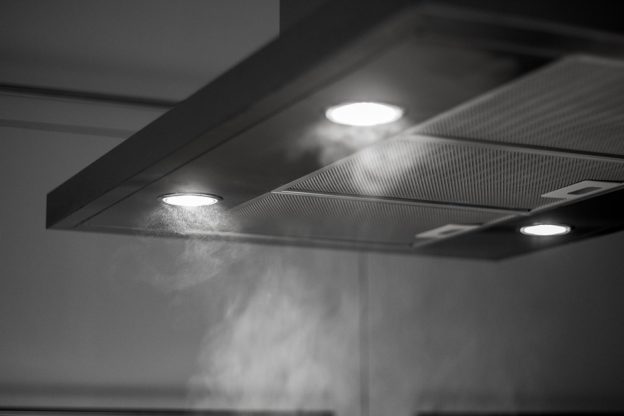
FOG isn’t just about what’s collected in a trap or what travels down waste pipes. FOG also accumulates in extraction systems, posing a major fire hazard. Regular cleaning and maintenance are essential. Read more about TR19 Grease documentation regarding cleaning, degreasing and maintenance of extraction systems in The Commercial Kitchen Extraction & Ventilation Buying Guide.
Keep Detailed Documentation
Document all grease management procedures and keep records as required by law (Environmental Protection Act: Duty of Care: Section 34). This evidence will be required during inspections. If a blockage occurs in the local area, businesses should have documented evidence to prove that suitable grease management is in place and that proper processes have been followed.
The Ongoing Battle Against Fatbergs
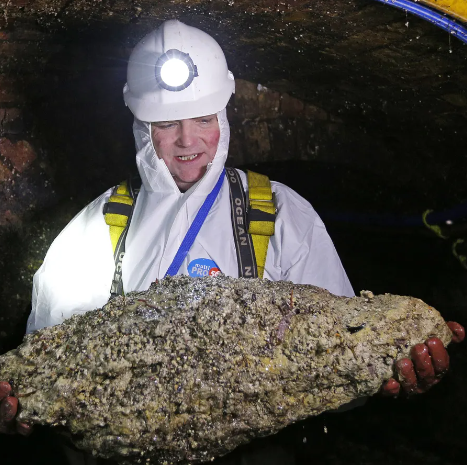
Fatbergs are a persistent problem however colder temperatures and increased FOG from richer foods, create ideal conditions for their formation. Fatbergs can cause significant damage to sewer systems, pose hygiene risks, and harbour harmful bacteria. They are a particular concern in more populated areas where commercial and residential waste converges.
Water companies are responsible for tackling fatbergs, often using high-pressure washers and manual labour. This work is expensive.
The Cost of Fatbergs
Clearing fatbergs and repairing damage costs millions annually. Thames Water alone spends approximately £1 million monthly on clearing blockages. These costs are ultimately passed on to consumers.
Water authorities are cracking down on businesses that contribute to fatbergs. New businesses are required to install grease traps, and existing businesses are urged to improve their grease management. Investigators trace blockages back to their source, and fines can be issued.
What's Next For Fat?
Education is crucial. Informing businesses and individuals about the dangers of FOG and promoting grease management practices is essential. Media coverage has helped raise awareness. Businesses should be proactive rather than reactive when it comes to grease management. Read more about Grease Trap Cleaning & Tips for Grease Management.
It’s not just typical food service businesses that need to address practices. Although takeaways are considered to be the highest producers of FOG but not always, other premises must also address their operations. Schools and educational establishments, canteens, hotels, B&Bs, prisons and public facilities should be made accountable.

Even residential properties contribute to the problem. Homeowners also contribute to the problem by pouring fats, oils, and grease (FOG) from sauces, soups, butter, and cooking juices down the sink and flushing anything other than the pee, poo, and paper (‘3 Ps') down the toilet. They shouldn't assume businesses are solely responsible for the issue.
Grease and fatbergs are problems that concern everyone and it isn't going away by itself.
Why Spend Money on a Grease Trap?
Grease traps are a worthwhile investment, whether opting for stainless steel manual grease traps or automatic grease traps (GRU’s). The cost is far less than potential fines and cleaning costs if a business is found to be contributing to FOG-related blockages.