Share with:


Post Contents []
- Why is Commercial Kitchen Extraction Important?
- Types of Commercial Kitchen Extraction Systems
- When are Kitchen Extraction Systems Necessary?
- The Benefits of Commercial Kitchen Extraction
- Prime Considerations When Choosing Kitchen Extraction
- What Effective Ventilation Should Do
- Commercial Kitchen Extraction Sizing Guidelines
- Kitchen Extraction Regulations
- Extraction, Ventilation, and Ductwork Construction
- Professional Kitchen Extraction Cleaning & Maintenance - Good Cleaning Practices
- TR19 Certification
- Catering Kitchen Extraction - Top Tips
A well-functioning commercial kitchen relies heavily on its extraction and ventilation system. It's not just about comfort; it's about creating a safe, productive, and compliant environment. This guide will walk you through the essentials of commercial kitchen extraction, helping you make informed decisions for your business.
Why is Commercial Kitchen Extraction Important?
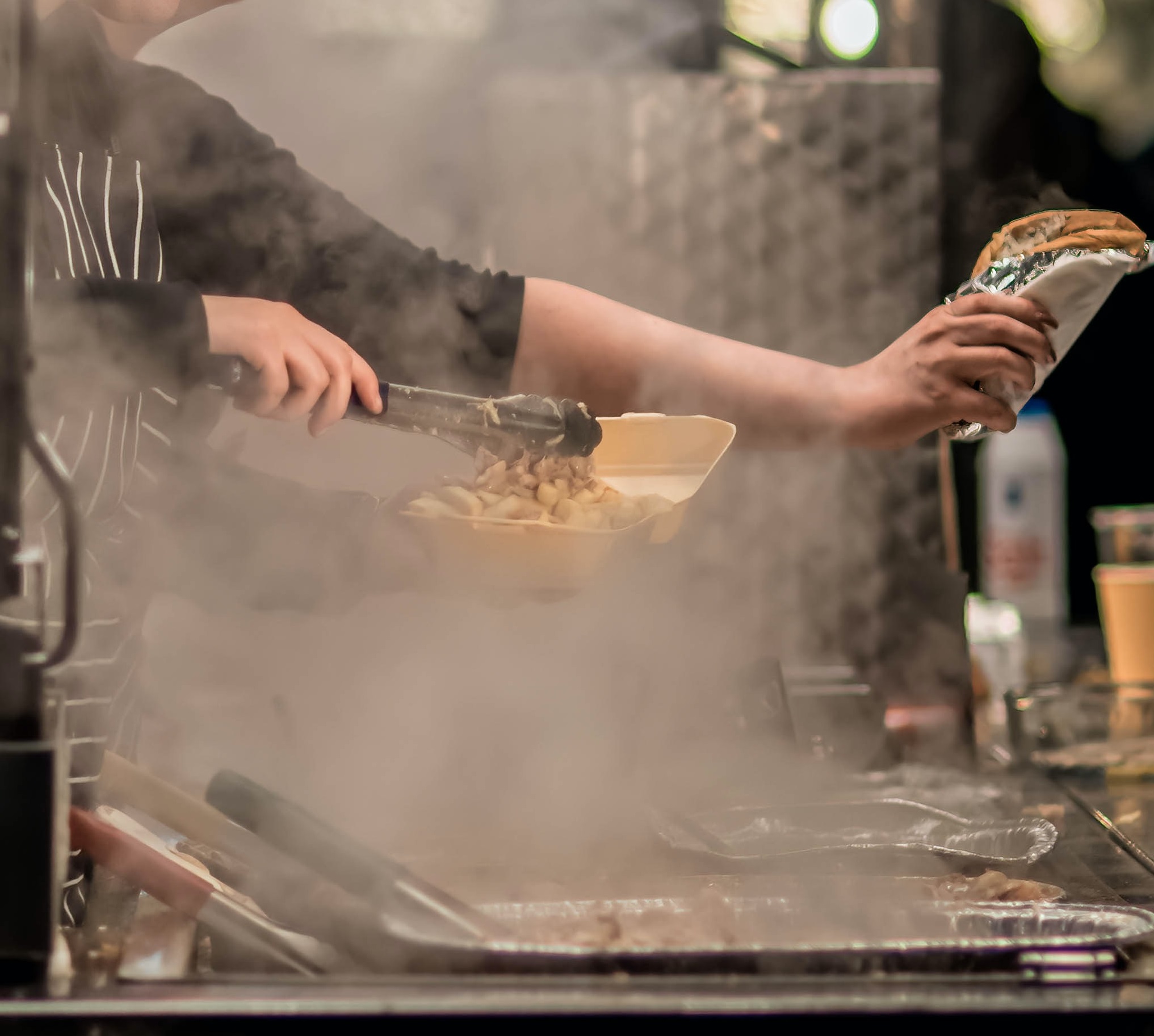
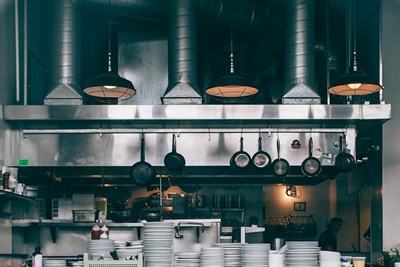
Commercial kitchens generate significant amounts of heat, steam, grease, and smoke. Commercial kitchen extraction systems play a crucial role in maintaining health and safety standards, ensuring efficient ventilation, and complying with UK regulations to create a safe and productive cooking environment for professional catering and foodservice operations. Effective ventilation is crucial for maintaining air quality and preventing the buildup of hazardous substances.
Types of Commercial Kitchen Extraction Systems
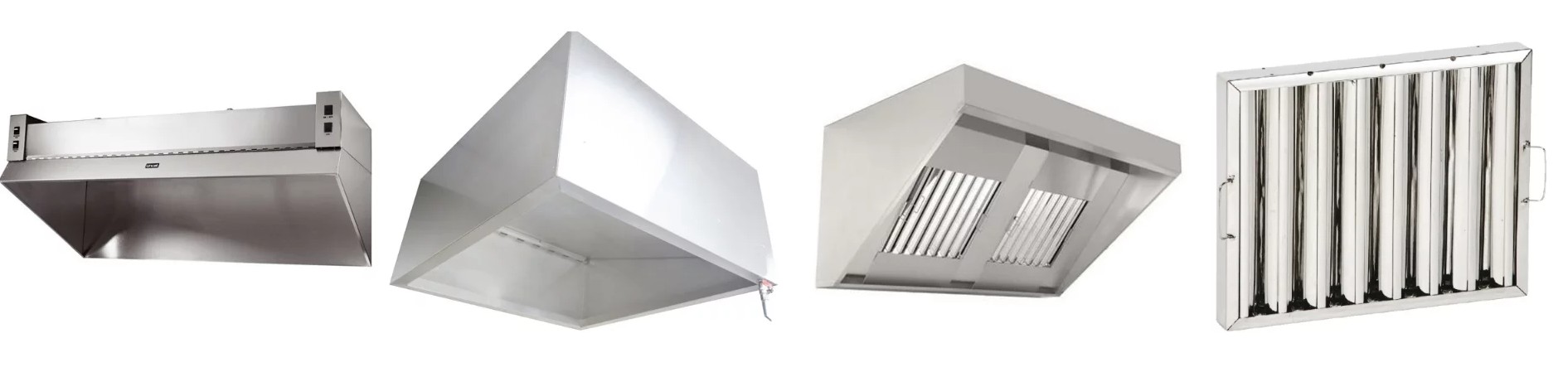
Several types of commercial kitchen ventilation and extraction systems cater to different kitchen needs:
- Extraction Canopies: The most common type, these commercial kitchen canopies and hoods draw contaminated air into a hood through ducting, where it's filtered and expelled outside. They primarily remove heat.
- Baffle Filters: Similar to canopy hoods, baffle filters use a series of baffles to break up airflow and trap grease before it reaches the ducting. Primarily used to remove grease from air.
- Condensate Canopies: Designed for kitchens with high condensation levels, these canopies collect and drain excess moisture. Ideal for warewashing areas.
- Filtration Units: These units offer the most comprehensive fume filtration and ventilation, removing contaminants through a series of filters before discharging air outside. They are typically the most expensive option and can be used to remove odours and smells.
- Recirculation Canopy Systems: Recirculating extraction systems are designed to clear heat, fumes, and smoke from the kitchen whilst introducing a clean flow of air to maintain a healthy working environment. The system captures airborne particles through filters before returning the purified air back into the kitchen, effectively eliminating pollutants, grease, and odours.
When are Kitchen Extraction Systems Necessary?
All commercial operations should have some form of canopy extraction or ventilated ceiling installed. Adequate ventilation is required for any equipment that generates heat, fumes, smells, or steam. Kitchen extraction is particularly important when gas appliances are in use to prevent the build-up of dangerous carbon monoxide. Professional expertise is highly recommended to ensure you make a wise investment, as a canopy is available to suit every type of appliance.
The Benefits of Commercial Kitchen Extraction
Improved air quality: by removing contaminants from the air, commercial kitchen extraction can improve the air quality in your kitchen and make it a pleasant workplace. While most commercial kitchen extraction removes fumes, grease and smoke etc. from the air, there are some recirculating ventilation systems such as the Parry Air-In Titan Canopy that also introduce clean replacement air back into the kitchen after exhaust air has been removed. Read more about The Parry Air In Canopy - Revolutionising Restaurant Kitchen Extraction.

Improved efficiency: by removing heat, steam and grease from the air, commercial kitchen extraction can improve the efficiency of your kitchen appliances.
Reduced running costs: by removing heat from the air, commercial kitchen extraction can help to reduce the running costs of your air conditioning system and appliances such as fridges and freezers.
Better overall working conditions: by improving the air quality and temperature in your kitchen, commercial kitchen extraction can create a more comfortable working environment for your staff.
Prime Considerations When Choosing Kitchen Extraction
When choosing commercial extraction, several areas need to be considered:
- Maximum cooking loads - The number of covers a kitchen cooks for and the length of service all factor into how hard kitchen ventilation systems and extraction will need to work.
- Quantity, type, and size of appliances - Different types of kitchen equipment, such as cookers, ovens, fryers, and grills, produce varying amounts of heat, steam, grease, and odours. These factors directly impact the airflow requirements and filtration capabilities of the extraction system. A one-size-fits-all approach may not be efficient in adequately removing pollutants, which can lead to poor indoor air quality and potential fire hazards.
- Layout and dimensions of the kitchen - The larger the kitchen area, the larger the extraction system tends to be. The layout of the kitchen dictates airflow patterns and where the ventilation system should be placed for optimal performance.
- Number of staff working in each area.
- Wall-mounted or island-positioned equipment.

What Effective Ventilation Should Do
- Remove fumes and excess hot air
- Filter out contaminants and grease
- Replace extracted air with cool, clean air, if required
- Be easy to clean
- Be quiet and vibration-free
- Not create strong air currents
Commercial Kitchen Extraction Sizing Guidelines
- Canopy Size: Determined by the size of the equipment it serves. The type of appliance relates directly to the volume of air that needs to be extracted. A qualified engineer can calculate these factors.
- Height: Generally, the height from the floor to the underside of the canopy should measure 2000-2100mm.
- Internal Depth: 400mm is recommended.
- Overhang: The extraction canopy should overhang the cooking equipment by at least 250mm at the front and sides. For combi-steamers or baking ovens, this increases to 600mm.
- Clearance: A minimum 450mm clearance is advised from the cooking surface to the underside of any grease filter.
- Relationship Between Factors: Canopy dimensions, overhangs, air movement, location, and mounting height are all linked. Altering one will adjust the others, generally scaled up at a 1:1 ratio.
Always consult current regulations and where possible professional extraction experts to make sure you kitchen is adhering to guidelines.
Kitchen Extraction Regulations
Understanding and adhering to UK regulations for commercial kitchen extraction is essential to ensure the health and safety of kitchen staff and customers, and to maintain compliance with legal standards.
- General Ventilation: All ventilation should be positioned where there is a good flow of replacement fresh air. Systems will never work effectively if the air supply is impeded. 85% of the total extracted air must be replaced.
- Gas Appliances: New ventilation systems for gas appliances must include 'interlocking' – a gas supply cut-out feature that activates if the extraction system fails.
- DW172 Specifications: All businesses need a record of the kitchen's design performance characteristics in accordance with the DW172 Specifications.
- Installation: standards are strictly enforced to guarantee proper functionality and compliance.
- Statutory Requirement for all commercial kitchens: to have an extractor fan with a minimum capacity of 60 cubic metres per hour. This means that if your kitchen is smaller than 60 square metres, you will need an extractor fan that can cope with the volume of air in your kitchen.
Pay close attention to;
- The Workplace (Health, Safety and Welfare) Regulations 1992, which states that employers must have ventilation in enclosed working areas
- The Gas Safety (Installation and Use) Regulations 1998 which requires extraction or a flue interlocking system to be installed with any gas cooking appliance
- The Health and Safety at Work etc. Act 1974 which requires employers to provide safe conditions for staff to work in.
Extraction, Ventilation, and Ductwork Construction
- Material: Minimum 304-grade stainless steel is typical; special applications may require 316-grade or higher.
- Construction: Canopies and ductwork should be fully folded to eliminate dirt traps and limit bacterial breeding sites. There should be as few joints as possible with no external fixings.

Professional Kitchen Extraction Cleaning & Maintenance - Good Cleaning Practices
The build up of grease in kitchen extraction and ventilation systems is one of the top 5 causes of commercial kitchen fires. To avoid this hidden danger it is vital to practice good housekeeping.
- Access: Ensure clear access to all ductwork.
- Cleaners: Avoid corrosive and flammable cleaners.
- Grease Filters: Should always be in place and cleaned weekly.
- Regular Checks: Senior staff should conduct regular checks with particular attention paid to the condition of metal surfaces and any potential accumulation of dirt, grease or debris around seals and joints.
- Cleaning Schedule: All extraction and ductwork should be cleaned daily, with weekly maintenance and periodic deep cleaning by a specialist.
- Baffle Filters: Typically cleaned weekly.
TR19 Certification
The TR19 certificate to awarded to businesses as proof that commercial kitchen extraction and ventilation systems have been cleaned, degreased and maintained to the specified standard.
The TR19 Grease specifications state that grease within extraction and ductwork should measure less than 200 microns - less than the thickness of a bank card.
The main purpose of the TR19 Grease Certification, which is issued by BESA (Building Engineering Services Association), is to reduce the number of fires caused by accumulated grease in commercial kitchen extraction systems.
BESA state that only members of the Vent Hygiene Register are able to carry out compliant services and award certification. Without valid certification, businesses may experience insurance issues.
TR19 Cleaning Standards
| HVAC Equipment | Kitchen Usage | Cleaning Regularity |
| Ductwork | Light duty (approximate 2-6 hrs p/day | Approx. every 12 months |
| Medium duty (approximate 6-12 hrs p/day | Approx. every 6 months | |
| Heavy duty (approximate 12+ hrs p/day | Approx. every 3 months | |
| Premises with heavy FOG production will require more frequent cleaning | ||
| Extraction Hoods & Filters | Recommended daily in-house cleaning with additional indepth cleaning by professionals as above | |
*Please Note: Always refer to manufacturers manual for cleaning and maintenance guidelines*
Catering Kitchen Extraction - Top Tips
It's not cost-effective to scrimp on extraction and ventilation in your kitchen. You can create a more efficient and comfortable working environment by meeting or exceeding the minimum requirements while reducing running costs. Here are some more valuable tips:
- Use high-quality filters. Using lower-quality filters will mean they must be replaced more frequently, increasing costs in the long run.
- Ensure ducting is the correct size - if it is too small, it will restrict airflow, and if the ducting is too big, it will cause excessive noise.
- It's also important to regularly clean your commercial kitchen extraction system, not just for performance and efficiency but also from a hygiene and fire safety perspective.
As well as making sure your commercial kitchen extraction and ventilation system are up to scratch, there are several other simple practices you can implement to help reduce the pressure on your system.
- Employ pan lids. When pan lids are left off, as much as 60% of heat can be lost. Additionally, lids on pans produce faster cooking outcomes and keep food hotter for longer.
- Switch to induction cooking. All heat from induction hobs is delivered directly to the cooking pan; no heat or fumes are released.
- When using microwaves, pick commercial models. While many chefs consider microwaves a handy add-on rather than the primary cooking method. There's little doubt that microwaves have their place in a commercial kitchen producing speedy results when reheating "wet" meals without producing much external heat.
FFD Catering Equipment offers a range of commercial kitchen extraction and ventilation products. We can help you choose the ideal commercial ventilation solution for your kitchen. Don't scrimp on good ventilation and kitchen extraction. Consult specialist engineers from the start of any project.