
Share with:


For decades, the toilet has been a safe and efficient way to dispose of waste. However, we now flush more than just bodily waste. Items we're unsure how to dispose of, like wet wipes and sanitary pads, or smaller items that we don’t think will make a difference such as cotton buds, often end up in our toilets because it's fast and efficient.
For years, people believed some common products were flushable, sometimes even based on packaging claims. This has led to widespread flushing without considering the consequences. Now we know.
The Effects of Flushing
This unobserved buildup has resulted in massive fatbergs, causing problems that affect our lives above ground. A 2019 report by the Natural History Museum, indicated wet wipes cause 90% of UK blockages. These blockages overflow into public water systems.
Over 20,000 wet wipes were found on the shores of the River Thames during a two-hour cleanup. This is partly due to the UK's outdated 19th-century sewage system, which struggles to handle the increased demand from a growing population.
While wet wipes serve similar functions to toilet paper, they aren't tissue paper. Made with chemicals and resins, they resist tearing and are designed to remain wet, unlike disintegrating toilet paper. This makes them easily trapped in sewage systems, contributing to fatberg formation. When they eventually break down, the plastic chemicals contaminate the environment.
Wet wipes also contain synthetic fibres like polyester and polyethene, which harm wildlife. Animals ingesting these microplastics suffer from blood poisoning, hormone imbalances, and reproductive issues. Testing standards for wet wipes only considered their ability to be flushed without causing household blockages, not their biodegradability in the sewer system.

Measures Taken to Address Flushing of Wet Wipes
The media has extensively covered the wet wipe issue, leading to the "Fine to Flush" campaign. The campaign aims to educate the public and reassure them they aren't contributing to the problem while also addressing the reputations of companies that have long claimed their products are flushable.
What is the Fine to Flush campaign?
The "Fine to Flush" campaign specifically targets wet wipes and their role in fatbergs. It establishes an official standard for identifying truly flushable wet wipes that don't harm the environment.
Wet wipes must pass strict testing to receive certification, including breaking down quickly enough to avoid blockages and containing no harmful chemicals. Manufacturers must test their products to meet these standards. Some UK brands, like Natracare, have developed truly flushable and 100% plastic-free wet wipes, earning the "Fine to Flush" symbol.
Stick to the 3 P's Rule
While efforts are focused on educating commercial kitchens about FOG (Fat, Oil, Grease) management and grease traps, these aren't the only contributors to fatbergs. Addressing the wet wipe problem and educating everyone about what should and shouldn’t be flushed, is crucial to tackling fatbergs comprehensively.
The safest way to prevent fatbergs is still the 3 P's: pee, poo, and paper. If using wet wipes, look for the "Fine to Flush" logo.
Top 10 Tempting Things to Flush that You Know You Shouldn’t
The UK's efficient waste system, largely unchanged since Victorian times, can be taken for granted. The "3 P's" campaign encourages only flushing pee, poo, and paper to prevent blockages caused by unflushable items, like fatbergs. Businesses can be fined for allowing FOG to enter the wastewater system, but households must also follow these rules.
Here are the top 10 tempting things to flush that you shouldn't:
1. Wet wipes, paper towels, tissues, kitchen rolls
These products often contain plastic that doesn't dissolve, unlike toilet paper.
2. Sanitary wear
Sanitary products are designed to absorb and swell, causing blockages. Sanitary bins are essential.

3. Cotton buds
Even paper-stemmed buds don't break down easily and can cause blockages.
4. FOG down the sink
Fat, oil, and grease are a major problem. Grease traps and effective grease management, are crucial for businesses however domestic properties should also avoid rinsing oil, fats or grease down the sink when cooking.

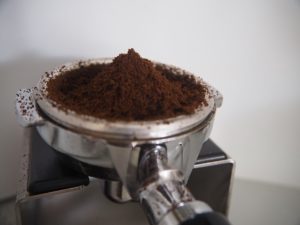
5. Coffee grounds
Surprisingly, they expand and absorb water, clogging pipes.
6. Condoms
Designed to be tear-resistant, they don't break down and can cause blockages.
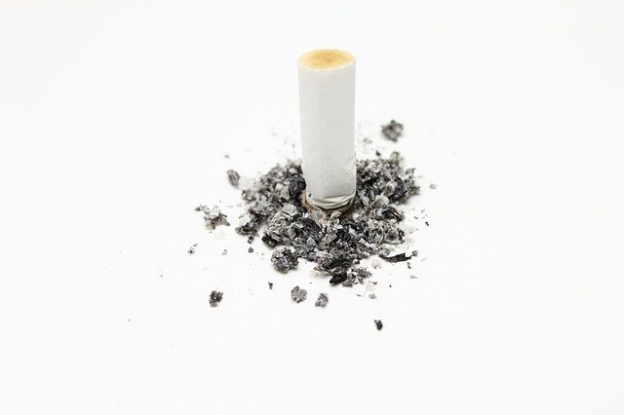
7. Cigarette butts
They contain chemicals and toxins that can be extremely hazardous to wildlife and cause problems for wastewater treatment plants.
8. Chewing gum
It's sticky, even when it’s been in water, and can trap other debris.
9. Prescription or illegal drugs
While medication might dissolve, the chemicals do not and can cause serious environmental damage and harm to wildlife. Dispose of them responsibly at a pharmacy.
10. Goldfish
Flushing them is never acceptable.
Whether in a business or at home, what goes down the sink or toilet impacts the environment and wildlife. Act responsibly and only flush the 3 P's.