

Share with:


Running a modern commercial kitchen that wants to continue to make a profit must cut down on unnecessary spending. Rising energy prices make saving energy more critical than ever. Saving energy is crucial for both financial savings and environmental responsibility. Many commercial kitchen owners have seen positive returns and significantly reduced costs from simple energy conservation techniques and investing in energy-efficient equipment.
Here are some key strategies to save money
Switch Off or Turn Down
Switch off lights and equipment when not in use. Lights can account for a significant portion of energy spending. Turning equipment down to lower settings during quiet periods saves energy while allowing for quick temperature recovery. This applies to cooking equipment, ventilation, and extraction lights.
Switching off or turning down reduces residual heat, creating a more comfortable environment. Commercial induction hobs are excellent energy savers, effectively in "standby" mode until a pan is placed on the cooktop. Something as simple as keeping every cooking zone on a commercial griddle fired up when not in use, a common and convenient practice in many kitchens, increases energy costs and can be a safety hazard.
Address Your Kitchen Layout
Kitchen arrangement impacts energy consumption. Group cooking equipment together with proper commercial kitchen canopies. Keep refrigeration separate from heat-generating appliances. Avoid having duplicate appliances unless absolutely necessary.
Popular configurations include linear circulation, with equipment arranged in a straight line and minimal distance between related items which prevents interference and cross-contamination. The ‘Golden Triangle’ is also a popular layout. A well-designed kitchen improves equipment efficiency and reduces operational strain.
Buy Energy Efficient Equipment
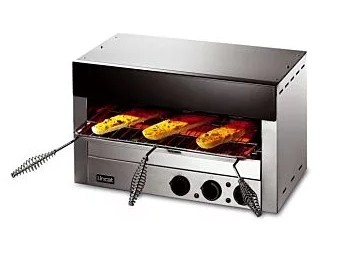
Invest in equipment designed for energy efficiency. Look for features like LED lights and refrigeration MEPS labels. Equipment like the Synergy Grill uses less energy than conventional counterparts while infra red cooking technology such as the Lincat LSC Salamander Grill can reduce energy consumption by up to 20%. Choose equipment with quick heat-up, minimal heat recovery times and stand-by functions if available.
Check out our Top 10 List of Essential Energy Efficient Catering Equipment.
Observe Proper Maintenance
Regular cleaning and maintenance are vital. This includes:
- Checking seals and gaskets on ovens and refrigerators to prevent air loss. Faulty seals and gaskets mean that the unit will work harder to produce the required results.
- Cleaning condenser coils on refrigerators for optimal performance.
- Cleaning dirty or clogged vents to prevent fires and improve efficiency.
- Maintaining ventilation and extraction systems.
- Temperature check your equipment. If appliances aren't achieving set temperatures they will need to work harder to work effectively
A regular maintenance schedule saves energy and extends the life of your equipment.
Top Tip for Catering Equipment Maintenance
Use OEM Parts: Original Equipment Manufacturer (OEM) parts, while costlier upfront, are designed specifically for your equipment and can save money on future repairs and replacements.
Train Your Kitchen Staff
Staff training is a powerful tool and crucial for successful energy conservation. Educate your team on proper energy maintenance techniques and encourage positive habits. Train staff on energy-saving practices, encourage them to turn off equipment when not in use, use the correct settings, and only run the dishwasher when full. For refrigeration, avoid overfilling freezers and minimise door openings. Train staff on food waste management and encourage turning off lights when not in use. Address the smaller points, like using energy-efficient light fixtures.
There are many ways to make your commercial kitchen more energy efficient. By following some of these easy-to-execute tips, you can potentially save money on your energy bills while extending the lifespan of your appliances. Reducing energy consumption doesn't have to be complicated - often, small changes make the biggest difference.