Share with:


Post Contents []
When you first open your restaurant, you will, of course, want to stock your kitchen with the best equipment you can. Not only will this make the process easier, but it will also make the kitchen more efficient and cost-effective. However, when you and your kitchen staff first start using the new equipment, it is important to not only know how to use it to its fullest but also how to maintain it and operate efficiently. When it comes to your kitchen, do you take catering equipment training seriously? Here are some of the reasons why you should.
Kitchen Training for Back of House Staff
Training in a New Business
If you are starting a new catering business, then there are many things you need to think about. While you need to make sure that you are ready for the opening and ensure everything runs smoothly, there is no room for missing something that might be vital later.
The kitchen area is the heart of any good restaurant, and it needs to be in the best condition to work effectively. Along with all the food safety requirements that need to be met, there are also areas like maintenance and training that are equally important.
That is why this is the perfect time to set standards that can be maintained. This includes comprehensive training on all the equipment in the kitchen, as well as a cleaning and maintenance schedule.
Take Advantage of Instructions
New pieces of equipment will come with instructions or a manual on how they are to be used. These are designed not only to show you how they work but also to ensure the equipment works to its optimum level. While you and your staff may think they know how it works, there may be features you are unaware of that could save you time and money. Depending on the equipment, some manufacturers may attend site to offer personal training to ensure staff are getting the best out of their appliances.
If you are inheriting an existing kitchen and there are no instructions relating to a piece of equipment, then it is a good idea to search online to see if you can find a copy. You can also approach the manufacturer and see if they have a copy they can send you.

Training New Staff
Commercial kitchens can have a high turnover of staff, which can make training difficult. You might feel that it is a waste of time training people who may then leave after a few months, but this can be a mistake.
All of your staff need to be fully trained to keep the kitchen working effectively, and that includes how to use the equipment. If this level of training starts to drop, then you may find your preparation times getting longer and your energy costs rising as a result.
In addition to training new staff, you also need to ensure all existing staff take refresher courses. Modern equipment will often have software that may be updated with new functions that your staff will need to know.
Devote Training Time
While it might seem like a good idea to train staff on the job, this can cause problems. Trying to teach someone to use a piece of equipment during opening hours will slow down the preparation time, and the staff may be too stressed to learn effectively.
Another issue is that there may never be an opportunity to show them a particular function during opening times. This means if they need to use that function in the future, there might not be anyone around to show them.
Warranties
All new pieces of equipment will come with a manufacturer's warranty. This warranty will have specific details regarding what it does and does not cover.
In most cases, the warranty will only be valid if the appliance is used according to the manufacturer’s instructions. However, if it can be shown that it was used incorrectly because of a lack of training, then any claim will be invalid.
The same may also be true of any insurance that you have taken out on the appliance, so it is always best to ensure the training is comprehensive.
Food Safety
Food safety legislation and guidelines around food hygiene for businesses are very specific about the way food should be stored and prepared. This legislation prevents not only the contamination of food but also seeks to ensure the food is prepared and cooked properly to prevent illness.
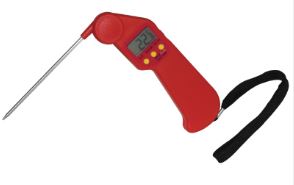
Part of this process is the way your staff use the equipment in the kitchen. They need to know that the food will reach the right temperature for the required amount of time so that any bacteria is killed. If they have not had sufficient training, then this process may not be completed correctly.
Another part of the food safety process is effective cleaning routines. Staff must know how to take apart and clean all the equipment correctly to prevent bacteria from growing and oils and fats from collecting.
Training Options
When it comes to ensuring your staff are trained correctly, there are many avenues open to you. Which ones you choose depends on the type of machine and whether it is available.
- On-Site Training
Some manufacturers, such as Unox and Rational, which specialise in combination oven steamers, offer on-site training as part of the setup process. Some commercial dish washer brands such as Meiko, DC, Classeq and Hobart, may also offer on-site training. On-site training is ideal because they will be able to visit your location and show you how to use the equipment in your kitchen setting, with functions specific to those that your staff will need. Plus, your staff can attend training at the same time, which means you won’t have to send your staff away on a training day that may impact the operation of your business.
- Website FAQ’s
The majority of commercial warewashing brands will have a dedicated help section on their website where they answer frequently asked questions. It’s often an invaluable source of information.
- Videos
In some cases, you may find that there are instructional videos online that can help you train your staff. These may be created by the manufacturer, or they could be created by other companies that sell the equipment. They can be a great source of knowledge when you need answers quickly.
- Training Days
In some cases, it may be necessary to send your staff to a college or private course company to learn how to use the equipment and maintain it. In this situation, you may want to send one member of staff and have them cascade the training to the rest of your workers. It is important, however, to allow sufficient time for all staff using the equipment to be trained. Combi oven manufacturers may also run Live events where their own in-house chefs showcase the capabilities of the equipment.
- Tutorials Directly From the Equipment
Some intelligent appliances actually offer guides in real time to help staff achieve the best possible results and employ the best possible maintenance practices.
With effective training along with appropriate cleaning and maintenance, your kitchen appliances should have a long service life and ensure that you get the most from your investment. This will make them more efficient during use and, in the long term, increase your profits.

Front of House Training for Staff
How would you feel if you went into a restaurant filled with staff that don't care about what you want, and you didn't get your order on time? It wouldn't be a pleasant experience and definitely not one that you'd want to repeat.
Not only would you not go to that restaurant again because of poor customer service, but you probably wouldn't recommend that restaurant to your friends because you don't want them to have that same experience. And so on.
Customer perception of your brand is crucial. There are many aspects to think about to make the right impact on customers, one of them being your front of house team.
Just as important as back of house kitchen training, the front of house training for staff is equally important.
Having a competent front of house (FOH) team is very important. They are the ones who perform the daily activities in the company, including building customer relationships with direct contact and delivery of orders by the customer to the kitchen. Cashiers, waiters, bartenders and others fall under the 'front of house' category. Delivering the level of service you want relies on and requires the ongoing periodic training of your team.
What your brand represents is shown by and through your team members. This can be displayed in the way staff relate with your customers and also through their appearance.
Your team must be trained on how to relate with customers, understand the company's protocol in everyday situations (and those that aren’t so common), and have interpersonal skills. It isn’t only the actions of the FOH staff that determine the level of service success but also their appearance. Smart, well-dressed employees deliver an air of professionalism, so it’s vital to select appropriate clothing and catering uniforms.
Make Use of an Employee Handbook
An Employee's handbook is a very important tool used for FOH training. It contains the protocols and procedures of the company, safety rules, dress code and other obligations.
The handbook can be used to rate the performance of the company and also its employees. This helps the recruit to understand everything about the company and their role in acting as a representative.
Alternatively, in an age where technology is king, why not try creating an engaging podcast to interact with staff.

Feedback
Both the BOH and the FOH play important roles in ensuring good feedback from customers. While the BOH is responsible for doing the work underground or behind the scenes, the FOH is making sure that customers are happy with your services, bringing the work of the BOH team to the fore. Both sections of staff play different roles, however both deserve to hear feedback that will help them grow in their roles.
Mentorship
On-field experience is very important for the FOH team. As new people are recruited into your company, aside from the training materials, it is best if you assign your 'experienced' staff to your new recruits. This will help the employee to adjust quickly to the company's protocol. In this way, the recruit learns faster as they see experienced staff interact with customers.
This encourages new employees to ask more questions and also build confidence. Mentorship is really important to both the trainer and the recruit. It reduces the pressure on the trainer and it helps the recruit to communicate more with his colleagues thereby, building relationships with them.
Create Interactive Sessions
Gamification helps the new employee in a lot of ways. This puts the employee in different scenarios and helps the employee to make the right decisions and also build confidence.
This also helps the trainer to know the employee's strengths and weaknesses when it comes to communication and offering service. The trainer can give advice when necessary and also commend the employee for their effort.
Role-play the scenario of a disgruntled customer for example and discuss the correct response in this situation. Alternatively, as food intolerances and allergies are increasing, test staff to make sure they have an in-depth knowledge of the menu – the ingredients of each dish and the basic cooking methods.
With all areas of the business receiving in-depth training, you can ensure the best results, heightened efficiency and continued success.