Share with:


With ever-increasing legislative pressure from the government surrounding FOG, grease traps and the law, and large fines being handed out by water companies, it’s vital that businesses within the commercial catering sector have effective forms of grease management measures in place to protect themselves.
Whilst looking for potential solutions to the issue, you’re likely to have seen the term ‘FOGs’ thrown about left right and centre, but it’s fairly likely that you’ve been wondering to yourself: “What on earth are FOGs?”
‘FOG’ is an abbreviation:
Fats
Oils
Greases
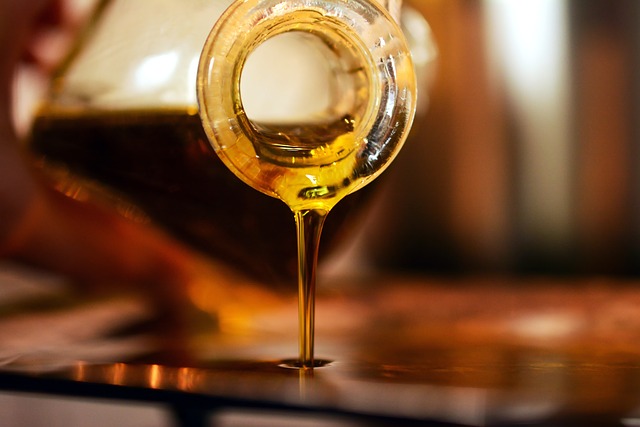
These are all essentially forms of grease which will always make it into the wastewater pipe of any commercial catering establishment as by-products of making and cooking food, especially on a large scale. It's not only the obvious culprits such as commercial fryers with their high oil use, that are major contributors to FOG in a commercial kitchen. Whether directly and indirectly, fats and grease are produced by a number of pieces of commercial kitchen equipment. All appliances and possible sources must be addressed and suitable precautions put into place.
Any professional kitchen should already be making sure to pour excess FOGs into a separate container for safe disposal, rather than down the sink. Even if this process is diligently followed, you will never be able to stop all FOG from entering the drain, due to the processes of keeping dishes, pans and other kitchen utensils & equipment clean.

While FOG may look innocuous in it's liquid form, it can cause massive damage to pipes and create blockages. It’s easy to forget that these FOGs will solidify further down the line, when you’re disposing of them in their melted form, but sewers are much colder than the kitchen, resulting in a consistency much closer to solid lard - or when it mixes with other products which don't belong down the drain like wetwipes - concrete.
This is why grease management is such a key area of concern in regard to preventing FOG in sewer systems. Using simple stainless steel kitchen grease traps, automatic grease traps or biodosing GreasePak systems in conjunction with a solid grease management system has never been more important.
Hundreds of businesses have received crippling fines from the water board, due to the lack of measures in place to protect the waterways from excess FOGs – understandable when you learn that it costs the water industry upwards of £15million every year.
These are easily-avoidable issues which could potentially put you out of business, yet you could be forgiven for being relatively unaware of them – remember the London ‘Fatberg’ of September 2017? That was by no means the first occurrence and until suitable grease management measures are implemented by everybody, it won’t be the last.
Take a look at the severity of all the notable Fatberg cases in this Wikipedia article: https://en.wikipedia.org/wiki/Fatberg