Share with:


Food safety is serious. Outbreaks of dangerous diseases can affect even the biggest restaurants and chains. For example, norovirus outbreaks have impacted establishments like Heston Blumenthal’s Fat Duck and Wahaca, highlighting the severe consequences of foodborne illnesses.
These incidents not only damage health and risk lives but also wreck reputations and threaten businesses. In this post, we will focus on one of the key areas of food safety in your kitchen:
Cross Contamination and Cross Contact: What We Mean
Cross-contamination occurs when a contaminant, whether biological (e.g., bacteria, viruses, or parasites) or chemical (e.g., toxic cleaners), is transferred onto food.
It occurs through direct contact, such as drops of blood from raw meat, or indirectly via dirty hands, improperly cleaned surfaces, or unwashed utensils.
Cross Contact is a specific type of Cross Contamination where allergens, such as nuts or gluten, contaminate food.
Both Cross Contamination and Cross Contact can lead to serious illness and even death and, therefore, must be avoided.
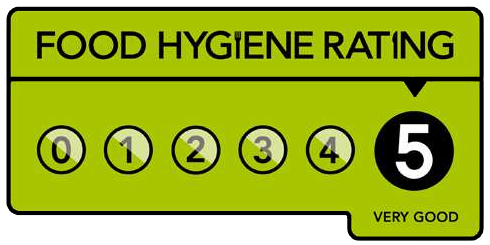
The Food Standards Agency (FSA) is responsible for protecting public health with regard to food in England, Wales, and Northern Ireland. The FSA incentivises kitchen cleanliness with its Food Hygiene Rating Scheme, which rates businesses from 1 (poor) to 5 (very good). They also hand out fines for non-compliance, emphasising the seriousness of food safety.
Crossing out cross contamination and cross contact in your kitchens begins by developing your food safety procedures based on the FSA’s guidelines. Depending on your business size, this might involve Hazard Analysis and Critical Control Point (HACCP) principles or Safer Food, Better Business (SFBB) guidelines.
Identify all points in your food preparation process where contaminants could spread. This includes during the cooking process. Your food safety procedure should be tailored to your staff, kitchen size, and work areas.
Here are some standard practices:
- Hands: Wash thoroughly for 20 seconds with soap and water before and after touching food.
- Surfaces and Utensils: Clean regularly, ideally after each use.
- Staff Attire: Dress appropriately, remove jewellery and wear aprons and hairnets.
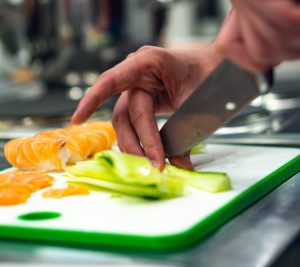
- Equipment: Use separate chopping boards and knives for raw meat, vegetables, and allergen-free food. Colour coded equipment is strongly advised, from chopping boards to professional kitchen knives.
- Training: Provide full training on safe food preparation, storage, and organisation.
With Your Procedures Set Up, Ensure They Are Never Forgotten
In a hectic kitchen, rules can be overlooked. Install informational signs and monitor staff compliance. Invest in quality commercial catering equipment, including self-cleaning ovens such as Rational combi ovens and commercial fryers with twin tanks and oil filtration, to save time and ensure thorough cleaning.
How To: Perfect your Kitchen Handwashing Technique
Hygiene is crucial in any kitchen. Proper handwashing is essential to reduce germ transference.
Follow these steps:
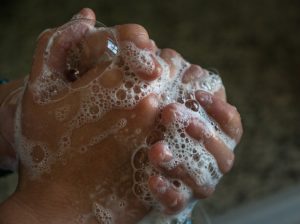
- Wet hands with warm water and apply liquid soap.
- Rub palms together to create a lather.
- Rub each palm over the back of the other, working along the fingers.
- Interlock fingers and rub between them.
- Rub around thumbs and scrub fingertips against opposite palms.
- Rinse and dry hands thoroughly with a paper towel, using it to turn off the tap.
Thorough handwashing is vital to maintain exceptional hygiene standards. Ensure all staff are trained in the correct methods.