Share with:


Post Contents []
- Coffee Machine Glossary & Coffee Terminology
- Types of coffee machines
- Coffee & Espresso Machine Buying Considerations
- Bean to Cup Coffee Machine Buying Considerations
- Size, Capacity and Number of Bean Hoppers
- Production Capacity
- Boiler/Water Tank Capacity
- Water Connection
- Number of Taps
- Controls
- Tap Height
- Milk Frother
- Ease of Cleaning
- Brand
- Filter Coffee Machine Buying Considerations
- Crafting Your Coffee Menu
- How to Achieve an Enhanced Coffee Experience
Capitalising on the rising popularity of coffee is crucial for modern businesses. The UK is estimated to drink an average of 98 million cups per day. That’s a huge market to not tap into effectively, and worse to ignore. This guide helps you create a thriving coffee program, from crafting a compelling menu to selecting the right equipment.
Coffee Machine Glossary & Coffee Terminology
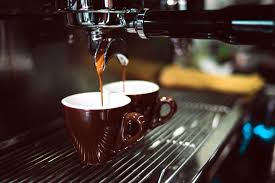
Groups - a group is the part of the machine that the portafilter connects to. Each group typically serves two cups at once.
Portafilter - a device that holds coffee grounds. Features a handle that is used to slot the filter into the group head.
Steam wand or frother - a thin long tube that is inserted into a milk pitcher or jug. It delivers steam to heat and froth the milk.
Cup warmer - typically at the top of the machine, this area can be used to store cups and keep them at the perfect temperature for coffee service.
Drip tray - sits beneath the groups and is used to catch any coffee spills during the pouring process.
Knockbox - a container or bin that is used to empty used coffee grounds from the portafilter.
Steeping - the amount of time coffee grounds are submerged in hot or cold water.
Tamp or Tamping - packing coffee grounds into the portafilter. Different tamping force will generate variations in results.
Crema - the sweet light brown layer on top of the espresso.
Body - the middle layer of the coffee.
Heart - the bitterest layer of espresso, which sits at the bottom of the cup.
Whether you’re equipping baristas in a coffee shop, cafe, restaurant or pub, selecting the perfect commercial coffee machine or espresso machine and coffee grinder is paramount.
Types of coffee machines
Commercial Espresso Machine
Commercial espresso coffee machines date back to 1884 when steam pressure was first harnessed by Angelo Moriondo to speed up brewing times. Typically, professional coffee machines are semi-automatic, giving you manual control over many of the variables which go into making the cup of coffee: you’ve got to grind the beans, spoon out your dose, and pack (or tamp) the coffee into the portafilter before slotting the portafilter into the machine; you then set the water pressure and the extraction time – then if you are making a specialist coffee, you’ll also need to foam the milk.
Fully automatic models are also available that take over a few more of the variable aspects of making coffee, such as extraction.

Filter Coffee Machine
Commercial filter coffee machines are also known as a drip filter machine or drip coffee maker. These systems use heated water slowly dripped over coffee grounds which are held in a reusable or paper filter. This filters down into either a glass coffee jug or thermos.
Commercial filter coffee machines are ideal in fast paced food service settings or in meeting rooms, where standard coffee is the main attraction.

Bean to Cup Machines
Commercial bean to cup coffee machines automate nearly everything. You simply put the beans in the hopper at the top and make sure you don’t spill any of the liquid as it streams out at the bottom.
These coffee machines can typically produce a variety of coffee styles quickly and with ease making them perfect for self-service in cafes, restaurants or in offices.

Cafetiere
Also called a french press. The glass canister is filled with coarse coffee grounds and hot water and left to steep. A plunger is then slowly pushed down to separate the coffee grounds.
More commonly used in homes or served to tables for customers to plunge. Ideal for individual service rather than large scale coffee production.

Coffee & Espresso Machine Buying Considerations
Volume
Match machine size (1-4 groups) to your business volume and staff needs. One group typically handles up to 50 cups/day, two groups up to 150, three groups 150-250, and four groups 250+. Prioritise peak demand over total daily volume. The more groups, generally the greater the width of the commercial coffee maker and therefore the wider the span of the drip tray to accomodate cups.
Top Tip: While most will work out volume over a whole day, it’s advised to instead concentrate on the quantity needed to keep up with demand during the busiest period. It’s no good buying a machine capable of producing 150 cups a day if you need half of those cups in just one hour.
Functionality
Choose between semi-automatic (manual control) and automatic/volumetric (timed shots) machines. Automatic machines are ideal for busy environments.
Boiler Size
Consider boiler capacity, which often correlates with the number of groups for coffee, tea, and steam wand usage.
Power
Single phase, hardwired or with standard 3 pin plug and 3 phase hardwired supplies are available depending on the size of the machine.
Budget
Set a realistic budget. Quality coffee results need quality coffee machines, and that requires investment. If your business is serious about coffee, allocate as much as possible to the cause; don’t scrimp and then expect professional barista results.If budget is a constraint, consider leasing.
Brand
Grinder Selection
A quality commercial coffee grinder is as crucial as the machine. Choose one that can handle peak demand and deliver consistent grinds. See our handy Coffee Grinder Buying Guide for more information on how to choose the right coffee bean grinder for your business.

Bean to Cup Coffee Machine Buying Considerations
Size, Capacity and Number of Bean Hoppers
Gauge the size and capacity of hoppers in relation to your busiest service. Dual hoppers can be used to hold different beans.
Production Capacity
Consider how many cups do you serve per day during your busiest period.
Boiler/Water Tank Capacity
This correlates to the number of cups that can be produced.
Water Connection
Manual fill coffee machines and mains water connection models are available. Manually replenishing boilers could be problematic during busy services, however shouldn't pose a problem in low traffic settings. Mains water connected coffee machines are more convenient in high service areas.
Number of Taps
Single and double tap/spout coffee machines are available allowing you serve single cups at once or two cups simultaeously when demand is higher.
Controls
Consider touchscreen or button layouts and operation and ease of use. Programmable machines are available for ease and speed of use and consistency of results.
Tap Height
Fixed or height adjustable spouts/taps are available. If choosing a fixed tap make sure your tallest glasses or cups can fit beneath.
Milk Frother
Do you need a milk frother? Not all bean to cup coffee machines will offer this feature.
Ease of Cleaning
Some models offer an auto-cycle cleaning cycle.
Brand
Commercial bean to cup machines can be pricey, however always deliver professional results with guaranteed quality. Look out for brands such as Blue Ice catering equipment and Jura.

Filter Coffee Machine Buying Considerations
Thermos or Glass Coffee Jugs
This will determine the dispenser height that you will need. Thermos flasks may not offer the aesthetics of a glass jug but they will retain heat for longer periods.
Brewing Capacity
How many litres of coffee can be brewed in a specified time? Consider your level of demand, the number of cups you typically need and how many jugs it would take you to achieve this. Where demand is high, additional jugs or thermos' are a good investment to maintain a continual flow of coffee.
Integral Hot Plate
Typically on the top of the machine, hot plates and can be used to keep pre-brewed jugs of coffee warm while another is being brewed. Generally integral hot plates are only designed to hold 1 or 2 jugs. Alternatively, separate hot plates can be purchased to hold multiple coffee jugs.
Crafting Your Coffee Menu
A successful menu caters to your specific clientele. Offer classic options alongside trendy choices like iced coffee, made hot but served over ice to cool, fizzy coffee, created with espresso and sparkling water or cold brew, the grounds steeped or macerated in water at room temperature for up to 24 hours. Cold brew's smoother profile makes it ideal for speciality drinks.
You can also try:
- Experimenting with flavours: Introduce flavours such as nutmeg, cinnamon, spices or caramel to create seasonal specials.
- Use a variety of beans: Know the origins of different beans and the distinct and unique characteristics that each introduce. Variety is a great way to create a varied coffee menu.
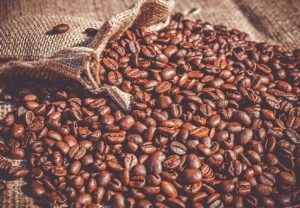
- Trial different roasts: A choice of light, medium and dark roasts is a must for coffee enthusiasts.
A light roast means more of the natural flavours of the beans come through – whether that’s tart fruitiness or the unique flavours produced by the region. If you want those unique regional flavours to truly shine, however, you’ll need to go medium – though be warned that one person’s medium can be another’s light and another’s dark. Finally, a dark roast is good for those who love a bittersweet taste – you will still get a hint of the original flavours of the bean, but you’ll get much less sweetness and a little more bitterness. Dark is perfect for those who take it black.
- Experiment with different grind sizes: A burr coffee grinder will be able to give you a range of finishes, each suited to different types of brew.
- Test Different Ratios: Begin with the coffee-to-water ratio; start with 170ml water and 10g coffee, and adjust to create different tastes. Next experiment with the crema-to-body-to-heart ratio for optimal espresso. Adjust the strength of the heart by reducing or increasing the amount of grounds you put into the machine or adjust the amount of crema by reducing or increasing the amount of time you hold the cup under the spout. Most baristas aim for the crema on top of the espresso to be one tenth of the total espresso, but again this a personal preference and something to explore to create your own unique results.
- Variable steeping: Experimenting with the length of time that coffee is brewed in hot water is a great way to achieve a range of strengths and finishes.
- Don't forget milk alternatives to accommodate dietary needs and allergies.
Interact with your customers and gather their feedback to fine-tune your offerings and find out what works and what doesn't.
How to Achieve an Enhanced Coffee Experience
- Cleanliness: Regularly clean your equipment.
- Customer Education: Share coffee facts, information about the origin of different beans and recipes. Understand bean origins and roasts to create nuanced flavours.
- Training: Ensure baristas are properly trained.
- Variations: Offer flavoured syrups and toppings.
- Finishing Touches: Add small touches like a biscuit or personalised treat.
- Samples: Offer samples of new flavours. Try new recipes and gauge the reaction before adding to your main menu.
- Promotion: Advertise your coffee offerings or introduce loyalty schemes.
If your business is serious about making a positive, lasting impression on your guests, then every little detail needs to be analysed and thought through. In order to make all aspects perfect, it’s not only about choosing the best commercial coffee machine (although is does make a massive contribution), a particular note needs to be taken regarding the easily overlooked intricacies such as beans, flavours and aromas, which can make all the difference to the customer’s opinion.
Paying attention to the whole experience, down to the final beverages, will ensure that you gain a vital returning customer base and increase your business profits.