
Share with:


Did you know that an average of 100,000 tonnes of perfectly edible food goes to waste every year? This is a stark reality, especially considering global hunger. While homes contribute to waste, the food industry, particularly restaurants and catering companies, is a significant contributor. Fortunately, many businesses recognise the importance of waste reduction and are making efforts to reduce their carbon footprint.
The Increasing Problem of Food Waste
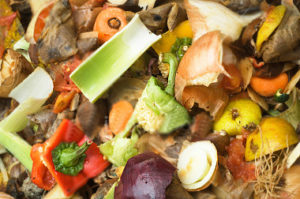
Millions experience hunger while tons of food are discarded. This unsustainable practice highlights a global issue. Food waste also represents a waste of resources like water, energy, packaging, and manpower. Discarded food waste often ends up in landfills, where it decomposes and releases poisonous methane, a greenhouse gas which is significantly more potent and, therefore, dangerous than carbon dioxide. Businesses also lose revenue by throwing away edible food. A more practical approach is to implement economical processes that minimise waste.
The Benefits of Reducing Food Waste
Optimising food preparation and finding ways to utilise "leftovers" can reduce waste and create a more sustainable, environmentally friendly process that could potentially help address food insecurity.
- Food Security: Minimising waste can contribute to addressing global malnutrition.
- Environmental Benefits: Food waste accounts for 7% of greenhouse gas emissions. Reducing waste can positively impact climate change.
- Financial Benefits: Studies conducted by WRAP show a positive return on investment in food waste reduction programs.
What Can the Food Industry Do to Optimise Food Preparation?
The first step is to prevent waste creation. Here are some strategies:
- Precise Preparation: Hand peeling can lead to excessive waste. Investing in vegetable prep machines, and other food preparation equipment, can improve precision and reduce waste.
- Portion Control: If a dish frequently results in leftovers, consider reducing portion sizes.
- Menu Management: Utilise all parts of food sources. Use unpopular cuts of meat or bones for other dishes, or add more flavour to broths or sauces.
- Consumer Education: Encourage acceptance of produce that may not look perfect but is still nutritious.

Food Waste Management
Even after efforts to reduce waste, some will remain. Consider these options:
- Doggy Bags: Offer doggy bags to patrons who don't finish their meals.
- Charity Partnerships: Donate unsold meals to homeless shelters or food banks.
- Composting: Start a compost bin or donate food scraps to local farmers.
Make the Pledge
Many UK food service providers have pledged to drastically reduce food waste. You can find the pledge from the Department for Environment, Food, and Rural Affairs HERE.
Reduce Food Waste and Cut Costs
Food waste significantly impacts profits. The correct storage, labelling, and strict food preparation procedures are crucial. Legal requirements regarding food waste and disposal must also be followed.
Adopt Clear, Simple Habits
- FIFO Rotation: Use a first in, first out system. Store new deliveries behind the older stock.
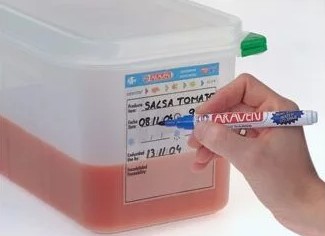
- Proper Storage: Store opened stock in airtight food storage containers with labels including opening date, storage time, use-by date, and ingredients. Consider a color-coded system.
- Staff Training: Train staff on minimising waste during preparation and cooking. Even simple tasks like peeling vegetables can be done more efficiently.
- Careful Cooking: Minimise mistakes that lead to food waste, such as overcooking meat. Treat stock as you would money.
- Nose to Tail Menus: Aim to use every edible part of an animal in some form.
Legal Requirements
Ensure your business adheres to local food waste and disposal laws. For more information, visit https://www.food.gov.uk/business-guidance/food-hygiene-for-your-business. By implementing these techniques and rules, you can prevent profits from literally going into the trash.