
Share with:


Technology has significantly improved the hospitality industry in the last two decades. Many sectors, including food service, are embracing technology to increase efficiency and reduce waste. The introduction and advancement of new technology is inevitable in this AI driven era, and the food service industry is adopting these changes to reach more customers.
So how has technology crept into foodservice and how could it change the future landscape?
The Dawn of Cashless Food Service
Food catering services are increasingly moving towards cashless transactions, offering seamless and secure payments for customers and providers. This deters theft and simplifies cashier operations.
Cryptocurrency is also gaining traction, with some businesses in Japan and Germany approving Cryptocurrency and accepting it as payment. Apps facilitate transactions using Bitcoin and other cryptocurrencies, potentially leading to broader adoption in the hospitality sector in the future.

New Ways To Order & Accessories
Accessories like Prosecco buttons, which allow customers to order wine without staff interaction, are emerging in the food catering scene. These can reduce order processing times and improve accuracy, while providing a novelty factor that attracts customers; all beneficial for restaurant owners.
Technology in the Commercial Kitchen
Increasing numbers of manufacturers are using advanced CAD programs and BIM drawings to optimise kitchen layouts.
Modern commercial kitchens now utilise connected gadgets for food preparation and delivery. Equipment such as commercial coffee machines automatically reordering supplies, commercial dishwashers with networked connections for precision cleaning and efficiency, and commercial combi ovens that can sense cooking temperatures and automatically adjust programs to achieve the desired end result, is available. Refrigerators can even alert users if doors are left open.
Technology is even making its way onto the restaurant floor with robots being explored for catering services.
Technology and Food Delivery
Tech companies are developing driverless cars, which could revolutionise food delivery. While companies like Domino's have implemented systems for ordering via social media platforms.
Virtual assistance is also an emerging trend in the food catering service. You no longer need to interact with a human being when ordering your food items. Technologies such as Alexa, Amazon's virtual assistant, work with companies such as GrubHub to allow quick and simple reorder from your previous order history.

Virtual Reality and Food Service
Businesses are experimenting with virtual reality to enhance customer experiences.Developing on Heston Blumenthal’ multisensory approach to food, could altering reality bring new elements to the dining sector? Establishments like KFC have tested VR, and decreasing costs may lead to wider adoption.
Could Too Much Technology Be Damaging the Hospitality & Food Service Industry?
While technology offers benefits like efficiency, there are concerns about excessive automation.
Apps like Wetherspoons' Order & Pay app reduce social interaction, potentially harming the pub's role as a social hub. Automation also raises concerns about job displacement.
Businesses cite rising labour costs and post-Brexit immigration concerns as reasons for automation. Streamlining ordering processes can increase sales, as seen with Domino's when they saw their stock price rise from $13 in 2010 to $200 in 2017 partly through automating their ordering service and making it accessible via Facebook Messenger, Twitter and Amazon..
Research suggests that a significant percentage of hospitality jobs could be automated and worryingly, by technology that already exists.
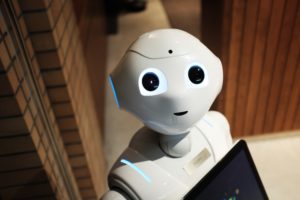
The Tea Terrace Restaurant in Cobham’s whimsically named Theresa is one of the robot waitresses to be introduced in the UK. The owners cited spiralling costs and onerous business rates as the reasons behind the £15,000 robot’s introduction, and described Theresa as an “ideal employee”, “who will never call in sick, will never complain, never request a holiday, and always shows up to work on time”.
However, automation has human costs. Job opportunities may decrease, and some customers simply prefer the human interaction of traditional service. Reports warn against prioritising technology over personal service.
Quality concerns also exist. While robots can handle repetitive tasks, they struggle with complex tasks like dining preparation or personalised service.
It is anticipated that many businesses' most practical technological applications will remain EPOS systems, self-service checkouts and ordering screens, online reservations and payment, and the intelligence inbuilt to their catering equipment, rather than full automation.
While technology and automation undoubtedly has a place in the future of hospitality, many people aren’t quite ready for a full take over just yet. This leads to the question, just because you can automate something, should you?